

Money Psychology: Spending Triggers and Better Habits
Understand emotional spending, impulse-buying triggers and lifestyle inflation, then use practical pause, budgeting and habit-design strategies to make better money decisions.
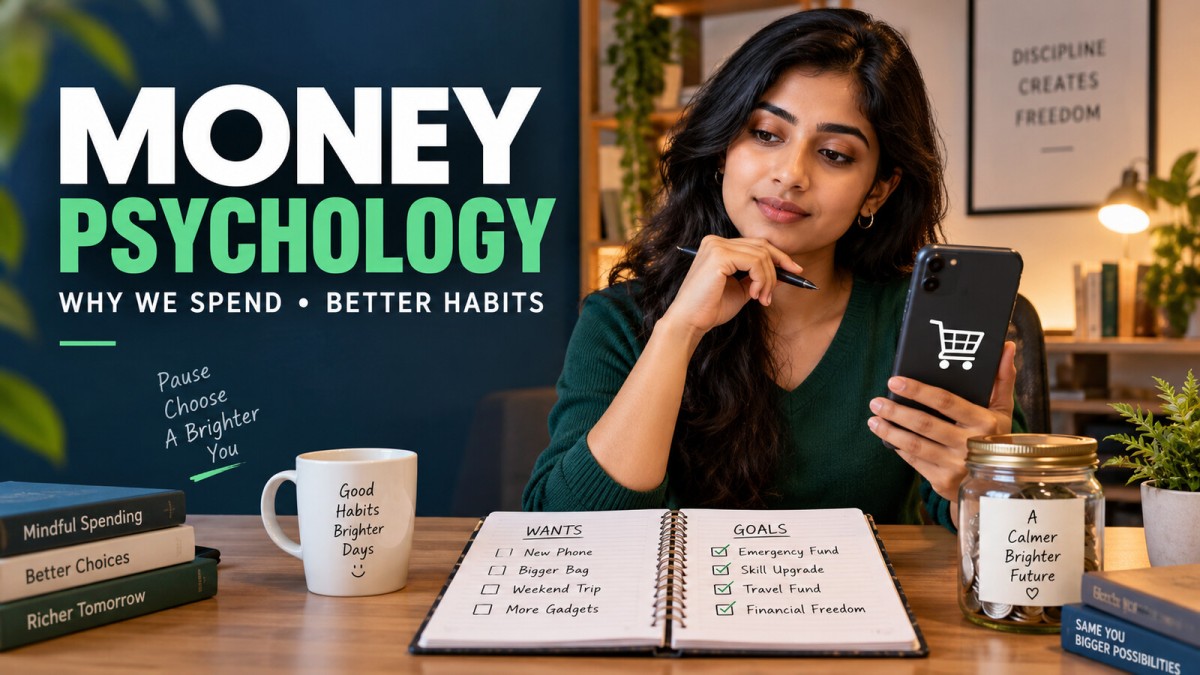
You open a shopping app to check one item and leave with three things you never planned to buy. Later, the excitement fades and you wonder why the purchase felt so necessary at the time. This is not simply a maths problem. Spending decisions are influenced by emotion, convenience, habits, social cues and the way choices are presented.
Money psychology is the study of how people think, feel and behave around money. Understanding it does not mean eliminating every enjoyable purchase. It means noticing the patterns behind your decisions so your spending supports what matters to you. This guide offers a practical, non-judgmental system for recognising triggers, slowing down impulse purchases and building habits that are easier to maintain.
Why Smart People Still Make Unplanned Purchases
Financial knowledge helps, but knowledge alone does not control behaviour. A person may understand budgeting and still overspend after a stressful day. The purchase may provide comfort, novelty, status, relief or a quick feeling of progress. When payment takes only a tap, the gap between wanting and buying becomes very small.
Instead of labelling yourself “bad with money,” look at the conditions surrounding the decision. Were you tired? Did a sale countdown create urgency? Were you comparing yourself with someone online? Did the payment feel small because it was divided into instalments? Specific questions produce useful answers; shame usually does not.
Start With Your Personal Money Story
People often carry money beliefs from childhood and earlier experiences. A household that faced uncertainty may teach careful saving, but it may also create anxiety even when finances improve. Someone raised around frequent spending may connect money with celebration or social acceptance. Neither response is automatically right or wrong.
Complete these sentences privately:
- When I was growing up, money usually meant...
- People with a lot of money are...
- When I receive extra income, my first instinct is...
- I feel most worried about money when...
- A purchase feels “worth it” to me when...
Your answers may reveal beliefs that still influence current choices. You do not need to reject your past. Decide which lessons remain useful and which ones need updating for your present income, responsibilities and goals.
Common Spending Triggers
Stress, Boredom and the Need for a Reward
Shopping can briefly change your mood. Browsing provides novelty, and buying can feel like a reward after hard work. Enjoyment belongs in a realistic budget, but trouble starts when every difficult day becomes a reason to spend beyond your plan.
Create a short “non-shopping reset list” for moments when the real need is emotional rather than practical. It might include a walk, a phone call, music, tea, exercise, journaling or finishing a small task. The goal is not to forbid buying; it is to give yourself more than one response.
Fear of Missing Out
Limited-time deals, stock warnings and countdowns are designed to make delay feel costly. Pause and ask: “Did I want this before I saw the offer?” A discount saves money only when the purchase itself is useful and affordable. Buying an unnecessary item at 40% off still means spending 60%.
Social Comparison
Photos of holidays, gadgets, clothes and homes can quietly change what feels normal. But you rarely see the complete financial picture behind a post. Income, debt, family support, sponsorship and existing savings are usually invisible.
Use other people's spending as inspiration only when it fits your priorities. Their purchase is not evidence that the same purchase is affordable or valuable for you.
Convenience and One-Tap Payments
UPI, saved cards and quick checkout make payments useful and convenient. That same convenience can reduce the pause in which you reconsider a non-essential purchase. If speed causes repeated regret, add a small amount of friction: remove saved payment details, turn off promotional notifications or keep shopping apps off the home screen.
Identity and Status
Sometimes we buy what an item appears to say about us: successful, fashionable, generous or technically advanced. Ask whether the purchase improves your actual daily life or mainly performs an identity for other people. A conscious status purchase may still be your choice, but it should compete honestly with your other goals.
Behavioural Patterns That Affect Money Decisions
Present Bias
An immediate reward often feels more powerful than a future benefit. A restaurant meal tonight is vivid; a larger emergency fund six months from now is abstract. Make the future more visible by naming savings accounts after real goals, using progress bars or writing the date and purpose beside each target.
Anchoring
The first number you see can shape how later prices feel. A product marked down from a high “original price” may appear attractive even when the final price is not competitive. Compare the final amount with similar products and with your budget, not only with the crossed-out number.
Mental Accounting
People may treat salary, cashback, gifts and bonuses as different kinds of money even though every rupee can support the same priorities. Extra income can feel free to spend. Before it arrives, decide what percentage will go toward enjoyment, savings, debt or another goal.
Sunk-Cost Thinking
After paying for something, you may keep spending because you do not want the earlier money to feel wasted. Examples include renewing an unused membership or repairing an item repeatedly when replacement would be more sensible. Ask: “If I had not already paid anything, what would I choose today?” Past cost cannot be recovered; the next decision should consider future value.
Lifestyle Inflation
When income rises, spending can rise just as quickly. Some upgrades genuinely improve life, but automatic upgrades can prevent better income from producing better financial security. When you receive an increment, decide in advance how much will improve your lifestyle and how much will strengthen savings or long-term goals.
Separate Needs, Wants and Values
The usual needs-versus-wants rule is useful but incomplete. A purchase can be a want and still strongly support your values. A family trip, hobby tool or comfortable chair may matter more to you than an expensive trend.
Use three questions:
- Function: What problem does this purchase solve?
- Frequency: How often will I realistically use it?
- Priority: What other goal becomes slower if I buy it?
This approach avoids moral labels. The aim is not to make spending joyless. It is to direct money toward the life you actually want rather than the impulse that happens to be loudest today.
Build a Purchase Pause That Fits the Price
A pause creates space between emotion and action. Use a longer waiting period for a larger or less reversible purchase. You might wait 24 hours for a small non-essential item, seven days for a significant purchase and longer for a major commitment. Choose thresholds that suit your income and responsibilities.
During the pause:
- Save the item to a wish list instead of the cart.
- Check the total cost, including delivery, interest, accessories and maintenance.
- Compare at least two alternatives.
- Read the return, cancellation and warranty terms.
- Ask where the item will be stored and how often it will be used.
- Check whether you already own something that solves the same problem.
If you still want it after the pause and it fits your plan, buy it without guilt. The system is designed for better decisions, not endless self-denial.
Look Beyond the Monthly EMI
A monthly payment can make an expensive item feel smaller. Before using an EMI or buy-now-pay-later option, write down the total payable amount, number of instalments, processing charges, late-payment consequences and effect on your monthly cash flow. A “no-cost” label should not replace reading the complete terms.
Consider whether several small instalments are already using the income you need for essentials or emergencies. The question is not only “Can I pay this month's amount?” It is also “Do I want this commitment to reduce my choices for the next several months?”
For credit terms, fees and disputes, refer to the lender's written documents and relevant official guidance. Do not rely only on an advertisement or an influencer's explanation.
Use a Spending Plan Instead of a Punishment Budget
A budget fails when it ignores real life. If you remove every enjoyable category, the plan may work for a week and then collapse. Start with your actual income and recent spending, not an ideal version of yourself.
Create broad categories:
- Essentials such as housing, food, transport and required bills
- Financial commitments such as debt payments and insurance
- Safety and future goals such as emergency savings and investments
- Flexible spending such as dining, entertainment and shopping
- Giving and family support where relevant
There is no single perfect percentage for everyone. Housing costs, dependants, income stability and debt vary. Assign realistic limits, review them monthly and adjust when circumstances change.
Automate the Decisions You Want to Protect
Willpower is unreliable when every month requires the same choice. If possible, move money toward important goals soon after income arrives. A separate savings account or automatic transfer can reduce the chance that planned savings become leftover spending.
Automation still needs review. Check that transfers do not create a shortage for essential bills, especially when income varies. Increase the amount gradually rather than setting an unrealistic target and cancelling the system.
Use Friction and Convenience Deliberately
Make good decisions easy and impulsive decisions slightly harder.
| Behaviour | Helpful design |
|---|---|
| Saving | Automatic transfer and a named goal account |
| Bill payment | Calendar reminders or approved autopay with balance checks |
| Planned shopping | A list and a fixed spending limit |
| Impulse browsing | Notifications off and saved cards removed |
| Subscriptions | One monthly review date |
| Large purchases | Written comparison and waiting period |
Your environment often shapes behaviour more consistently than motivation. Design it to support the choice you want to repeat.
Track Spending Without Obsessing Over Every Rupee
Some people benefit from detailed expense tracking; others stop after a few days. Use the simplest method that gives you useful information. You can review bank and wallet statements weekly, track only flexible categories or use separate accounts for bills and discretionary spending.
Look for patterns rather than isolated mistakes:
- Which day or mood produces the most unplanned spending?
- Which category repeatedly exceeds its limit?
- Which subscriptions are rarely used?
- Which purchases still feel valuable after one month?
- Which expenses are irregular but predictable?
Reviewing without blame makes it easier to adjust the system. One imperfect week does not require abandoning the entire plan.
Plan Enjoyment on Purpose
Mindful spending is not the same as spending as little as possible. A reasonable enjoyment category can reduce the cycle of restriction, impulse spending and guilt. Decide what experiences or items genuinely improve your life and allocate money to them.
You may discover that one planned dinner with friends is more satisfying than several random deliveries, or one reliable device is better than frequent low-quality replacements. Spending less in low-value areas gives you more room for high-value choices.
Talk About Money Without Shame
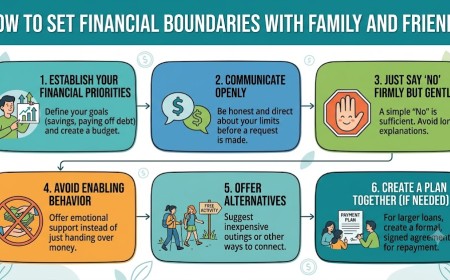
Couples and families often disagree because they attach different meanings to money. One person may see savings as safety while another sees spending as care or freedom. Begin with goals and concerns rather than accusations.
Use language such as: “I feel anxious when our flexible spending is higher than planned because I want a stronger emergency buffer. Can we agree on an amount for each of us?” Avoid words like “always” and “never.” Set a regular, short money check-in so every conversation does not happen during a crisis.
Do not use financial control, hidden debt or restricted access to necessary money as a normal budgeting technique. If financial behaviour is being used to threaten or control someone, seek support from a trusted professional or appropriate service.
A Practical 30-Day Spending Reset
Week 1: Observe
- Review the previous month's statements.
- Mark purchases as planned, useful-unplanned or regretted.
- Write the situation and feeling behind each regretted purchase.
- Cancel only subscriptions you clearly do not use.
Week 2: Add a Pause
- Choose your waiting periods for non-essential purchases.
- Turn off promotional notifications.
- Create a wish list and revisit it on one fixed day.
- Remove one source of one-tap spending if needed.
Week 3: Protect Priorities
- Name one short-term and one long-term goal.
- Set a realistic automatic transfer after payday.
- Create a flexible-spending limit that includes enjoyment.
- List irregular expenses expected in the next three months.
Week 4: Review and Improve
- Check what reduced regret without making life unnecessarily difficult.
- Adjust limits based on actual needs.
- Keep one or two habits that worked best.
- Schedule a monthly 20-minute review.
When Spending May Need More Support
Self-help tools are not always enough. Consider speaking with a qualified mental-health professional or financial counsellor if spending repeatedly creates serious debt, is hidden from family, feels uncontrollable, follows extreme mood changes or interferes with essential needs. Seeking help is a practical response, not a failure.
If debt is already difficult to manage, avoid borrowing again simply to maintain appearances. List every balance, interest rate, due date and minimum payment. Contact legitimate lenders through official channels to understand available options, and be cautious of anyone promising instant debt removal for an upfront fee.
Common Mistakes When Changing Money Habits
- Changing everything at once: Start with the trigger causing the most regret.
- Using shame as motivation: Study the condition and redesign the response.
- Making the budget too strict: Include realistic enjoyment and irregular costs.
- Focusing only on price: Consider frequency of use, quality and total ownership cost.
- Treating extra income as free money: Decide its purpose before it arrives.
- Ignoring small recurring charges: Review subscriptions and automatic payments monthly.
- Assuming one bad purchase ruins the plan: Learn from it and continue with the next decision.
Frequently Asked Questions
Is all impulse spending bad?
No. A small spontaneous purchase can be enjoyable and harmless when it fits your available money. Pay attention when impulses repeatedly interfere with bills, savings, debt repayment or emotional wellbeing.
How can I stop shopping when I am stressed?
Identify the usual time, place and emotion, then prepare an alternative response before the trigger appears. Add a waiting period and reduce promotional cues. If the behaviour feels uncontrollable or causes serious harm, professional support may be useful.
Should I delete all shopping apps?
Only if that level of friction helps you. Turning off notifications, removing saved payment details or using a planned shopping day may be enough. Choose the smallest change that reliably improves your decisions.
What is the best budget method?
The best method is one you can maintain and review. Detailed tracking, broad category limits and automated goal transfers can all work. Your method should reflect income stability, responsibilities and preferences.
How do I avoid lifestyle inflation after a raise?
Decide before the first higher salary arrives. Allocate part of the increase to quality-of-life improvements and part to savings, investments or debt reduction. This lets you enjoy progress while strengthening future security.
Final Checklist Before an Unplanned Purchase
- Did I want this before I saw the promotion?
- What feeling or problem am I trying to change?
- What is the complete cost, not only today's payment?
- How often will I use it?
- What goal becomes slower if I buy it?
- Can I wait and decide again later?
- Does it fit my planned flexible spending?
Better money habits are built through awareness, environment and repetition. You do not need perfect discipline or a joyless budget. Notice the trigger, create a pause, protect your priorities and spend deliberately on what you value. Over time, fewer decisions will depend on the emotion of the moment—and more will reflect the life you are trying to build.
Editorial note: This article provides general educational information, not personalised financial, credit, legal or mental-health advice. Product terms and individual circumstances vary. Review written terms and consult an appropriate qualified professional when needed.
What's Your Reaction?
 Like
0
Like
0
 Dislike
0
Dislike
0
 Love
0
Love
0
 Funny
0
Funny
0
 Wow
0
Wow
0
 Sad
0
Sad
0
 Angry
0
Angry
0

Software developer with expertise in full-stack web development and financial market analysis, specializing in building tracking tools for trading metrics.





Comments (0)