

The Complete Guide to UI/UX Design: Building Engaging Digital Experiences
Explore the core principles of UI/UX design. Learn how to create user-centric digital experiences that drive engagement, retention, and business growth.
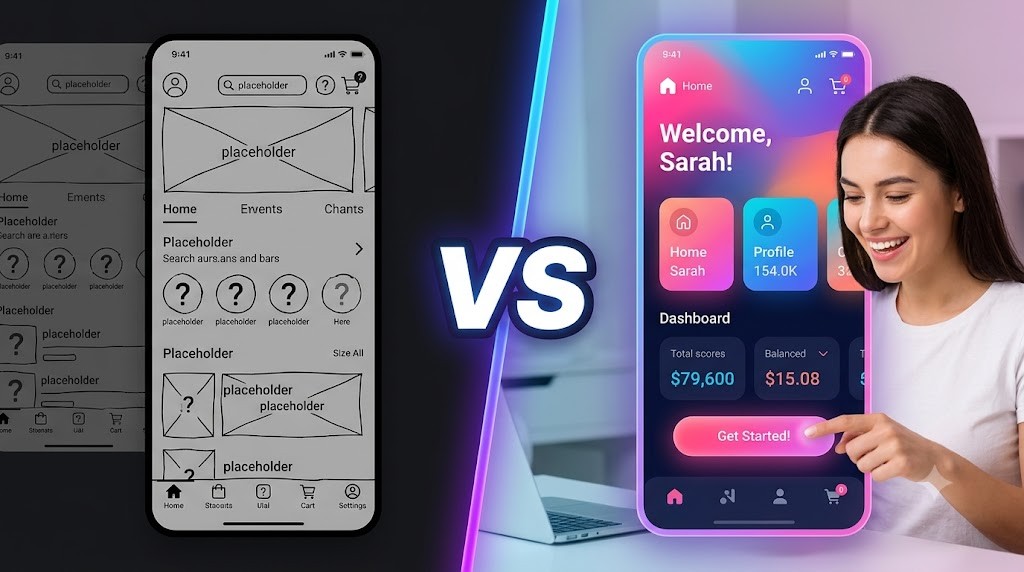
In the rapidly evolving landscape of digital content, having a brilliant idea is no longer enough. The way users interact with your digital product—be it a website, mobile app, or software platform—dictates its ultimate success or failure. This is where User Interface (UI) and User Experience (UX) design become critical. In this comprehensive guide, we delve deep into the principles of creating user-centric
digital experiences that drive engagement, retention, and business growth.
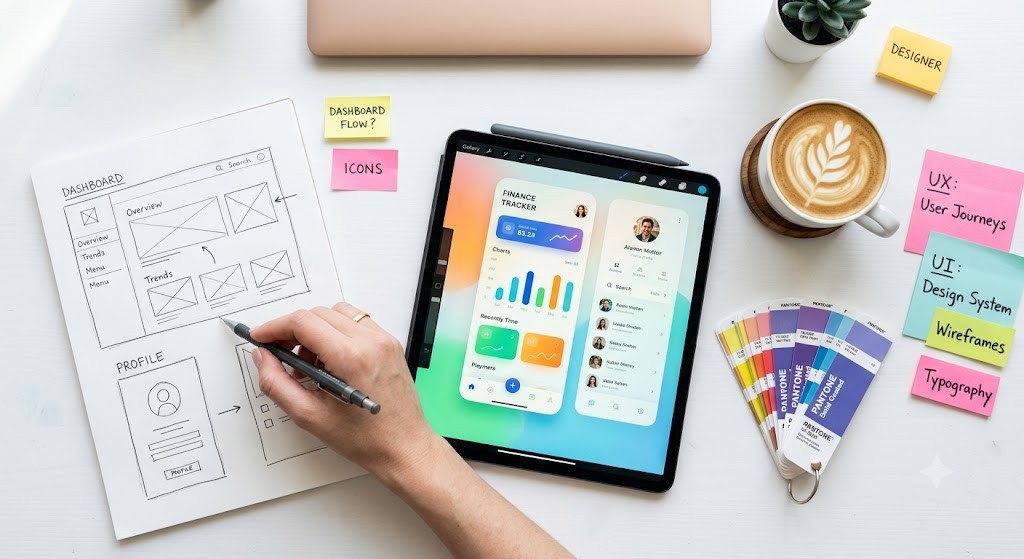
1. Demystifying UI and UX Design: What’s the Difference?
While often used interchangeably by beginners, UI and UX serve distinct but highly complementary roles in product development.
- UX (User Experience): UX is the internal experience that a person has as they interact with every aspect of a company's product and services. It focuses on the logic, structure, wireframing, and flow of the digital journey. A UX designer asks: 'Is this intuitive? Does it solve the user's problem efficiently?'
- UI (User Interface): UI, on the other hand, is the specific visual touchpoint. It encompasses the buttons, typography, color schemes, animations, and interactive elements that make the journey visually appealing. A UI designer asks: 'Does this look trustworthy and aesthetically pleasing?'
2. The Core Principles of User-Centric Design
Designing for the user means putting their needs above aesthetic vanity.
- Clarity and Simplicity: A successful digital product doesn't overwhelm its users. Keep interfaces clean, use ample whitespace (negative space), and ensure that the primary call-to-action (CTA) stands out seamlessly. Eliminate any elements that do not serve a direct purpose.
- Consistency: Consistency in design breeds familiarity and trust. Use uniform color palettes, typography, and button styles across all pages. When users don't have to relearn how to navigate different sections of your app, their cognitive load is significantly reduced.
- Accessibility: Great digital content is universally inclusive. Ensure your designs have high contrast ratios for visually impaired users, readable fonts, and screen-reader compatibility. Designing for accessibility not only broadens your audience but also boosts SEO.
- Feedback and Response: Every time a user takes an action (like clicking a button or submitting a form), the system should provide immediate feedback, such as a loading animation or a success message.
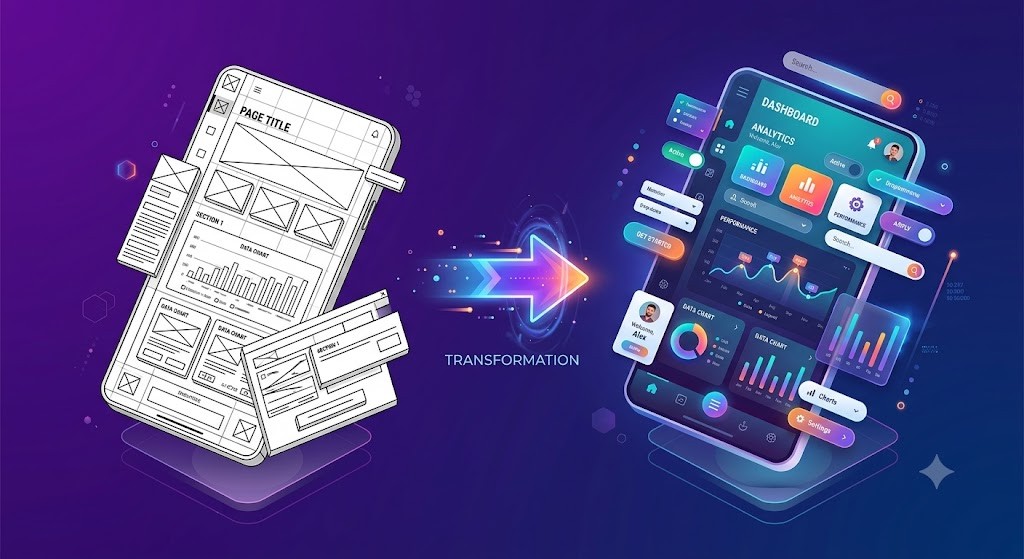
3. The Crucial Impact of Mobile-First Design
With the vast majority of global web traffic originating from mobile devices, a 'mobile-first' design strategy is no longer optional; it is essential. This philosophy means designing the mobile experience before scaling up to tablet and desktop versions. It forces designers to prioritize essential content and optimize load times, which drastically reduces bounce rates and improves Google search rankings.
4. The Role of Micro-Interactions
Micro-interactions are small, subtle animations or design elements that serve a single purpose, such as a 'like' button changing color when clicked or a swipe gesture archiving an email. These small details significantly enhance the overall user experience by making the interface feel alive and responsive.
5. User Testing and Iteration
No design is perfect on the first try. A robust UX strategy involves continuous user testing, A/B testing, and gathering qualitative feedback. Analyzing heatmaps and user session recordings can reveal friction points that you might have missed during the initial design phase.

Conclusion
Mastering UI/UX design is an ongoing, dynamic journey of empathy, testing, and refinement. By continuously prioritizing the actual needs and behaviors of your users, you can transform average digital content into powerful, intuitive tools that foster long-term loyalty and robust business growth. Invest deeply in user research, embrace iterative design processes, and watch your digital platforms thrive in a competitive market.
What's Your Reaction?
 Like
0
Like
0
 Dislike
0
Dislike
0
 Love
0
Love
0
 Funny
0
Funny
0
 Wow
0
Wow
0
 Sad
0
Sad
0
 Angry
0
Angry
0

Software developer with expertise in full-stack web development and financial market analysis, specializing in building tracking tools for trading metrics.








Comments (0)